The Nurses of the 121st
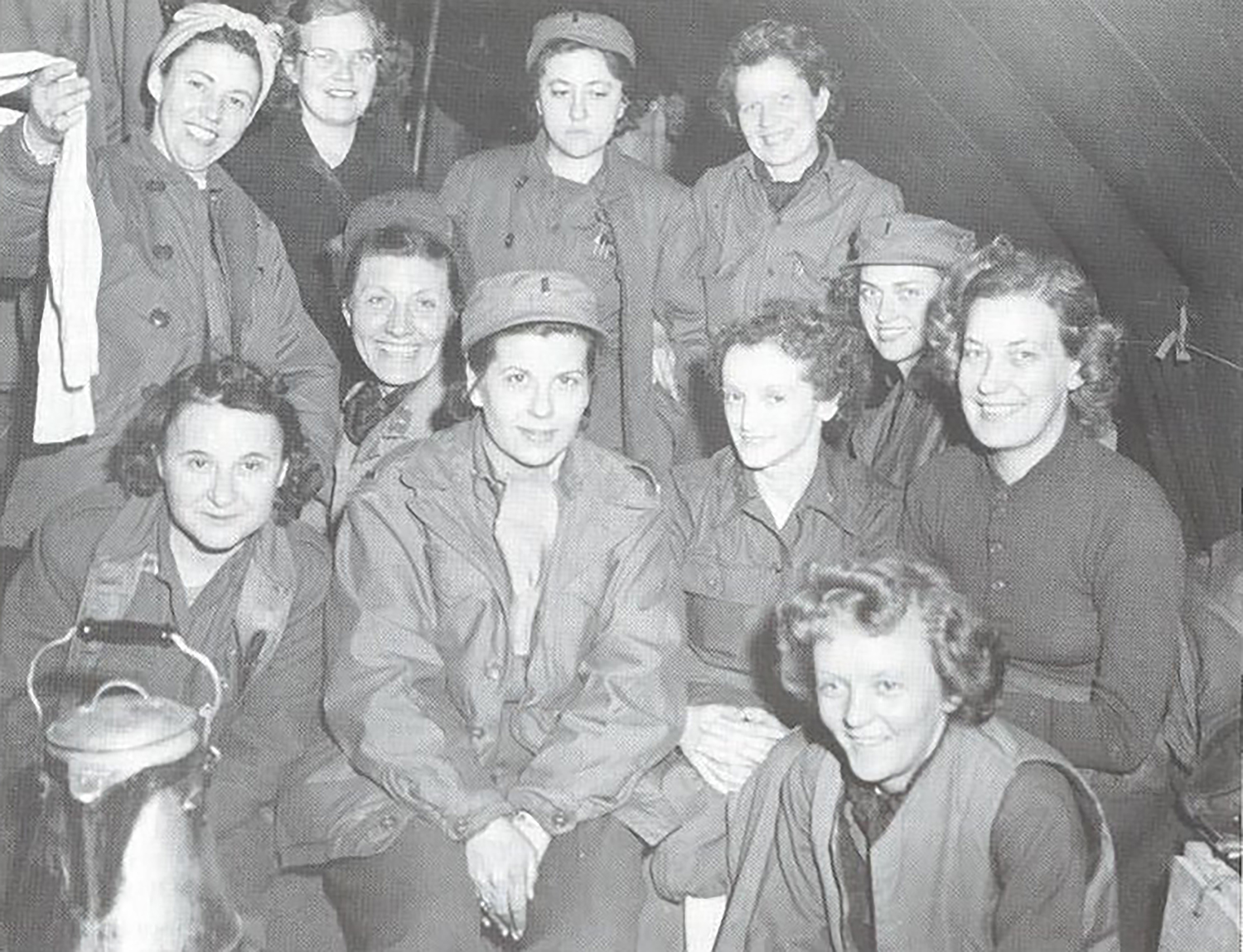
The Army Nurse Corps (ANC) was founded in 1901.
In WWII, military nurses typically worked far behind the front lines in massive, stable general hospitals. Korea completely shattered that mold. The fast-moving, unpredictable nature of the conflict thrust these women into highly austere, exhausting conditions right alongside combat zones.
In 1947 (via the Army-Navy Nurses Act), Army nurses finally became commissioned officers. A junior nurse would be a 2nd lieutenant, an experienced nurse a 1st. Leadership positions held higher ranks. By the Korean War, many nurses were WWII veterans.
When the Korean War erupted in June 1950, the Army Nurse Corps was at a historic low, down to fewer than 3,500 active-duty nurses due to post-WWII military downsizings. The crisis forced an immediate mobilization. Within days, 57 nurses landed in Pusan to establish the first rudimentary field hospitals.
During the Korean War, the Army Nurse Corps was legally 100% female. Though male civilian nurses volunteered to serve, a Congressional ban kept men from being commissioned as military nurses until 1955.
By the time the war entered its entrenched stalemate phase in 1952, over 5,400 Army nurses were serving worldwide, with several hundred deployed directly onto the Korean peninsula at any given time. Notably, female nurses were the only military women permitted to serve within the Korean theater of operations. They were pioneers of modern trauma care, adapting to a brutal new landscape of warfare.
Nurses at an Evacuation Hospital like the 121st managed a vastly different, highly demanding tier of medical care. They worked 12-to-18-hour shifts in drafty, corrugated metal Quonset huts. In the brutal Korean winters, the huts froze; in the summer, they turned into sweltering ovens. Nurses traded their traditional white skirts and stockings for heavy, olive-drab utility fatigues and combat boots just to survive the mud, dust, and cold. Evacuation hospitals bore the brunt of massive “waves” of casualties whenever major battles flared along the 38th Parallel.
Beyond the physical exhaustion, these women served as the primary emotional anchor for wounded, shell-shocked young soldiers. For many critically injured GIs passing through the 121st before being flown to Japan, an Army nurse was the first American woman they had seen in months. And often, the nurses were the last comforting voice they’d ever hear.
While medical facilities were protected by the Geneva Convention, they were frequently targeted by artillery and air raids. Seventeen Army nurses lost their lives on active duty during the Korean War.
Army Nurse Corps official website
Photograph courtesy of Metropolitan Library System of Oklahoma County