Seoul During the War
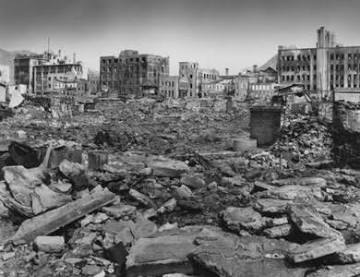
During the Korean War (1950–1953), Seoul was the ultimate strategic and psychological prize. Because it sits just about 30 miles south of the 38th parallel, the city bore the brunt of the conflict.
The Four Falls of Seoul
First Fall (North Korean Capture)
June 28, 1950
Just three days after launching their surprise invasion, North Korean troops swept into Seoul. In a desperate move to slow the advance, South Korean forces blew up the Hangang Bridge—the main escape route across the Han River—trapping hundreds of thousands of their own citizens in the occupied city.
First Recapture (UN/South Korean Victory)
September 28, 1950
Following General Douglas MacArthur’s brilliant amphibious landing at Incheon, UN and South Korean forces fought a brutal, street-by-street battle to reclaim the capital. President Syngman Rhee’s government returned, but the triumph was short-lived.
Second Fall (Chinese Counter-Offensive)
January 4, 1951
China entered the war with massive numbers of troops, catching UN forces off guard. Facing overwhelming waves of soldiers, UN and South Korean forces were forced to evacuate. Millions of refugees fled south into sub-zero winter temperatures.
Final Recapture (Operation Ripper)
March 14, 1951
Through a grueling, systematic artillery-heavy counter-offensive, UN forces pushed the Chinese and North Korean troops back north. Seoul was liberated for the last time, but it was a ghost town.
The Cost of the Conflict
When South Korean soldiers marched back into Seoul in March 1951, they found a city completely shattered.
The pre-war population of roughly 1.5 million had shrunk to barely 200,000 due to casualties, executions, and the mass flight of refugees.
Regular artillery duels and aerial bombings destroyed over 70% of the city’s homes, schools, and commercial buildings. Infrastructure like water, electricity, and sewage networks were non-existent.
For the remaining two years of the war, the front lines stabilized roughly where the DMZ is today. While Seoul was no longer the site of active infantry fighting, it spent those two years functioning as a massive, traumatized military encampment and refugee hub until the armistice was signed in July 1953.
Seoul’s transformation from this literal ash heap in 1953 into the modern megacity of today is often called the “Miracle on the Han River.”